
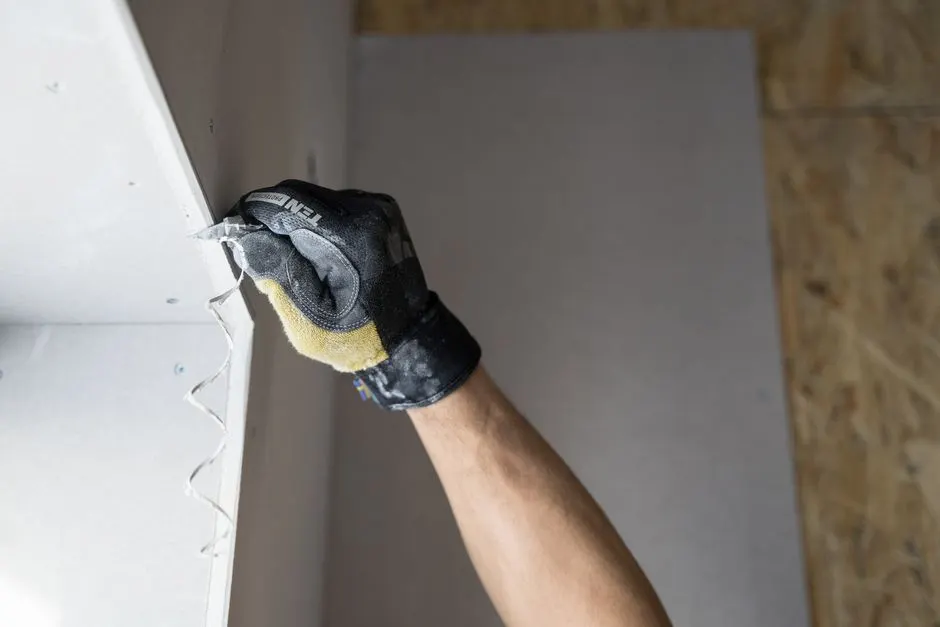
The most reliable signs of hidden water damage behind walls are a musty smell that will not go away, paint or wallpaper that bubbles and peels, drywall that feels soft or spongy, and brown or yellow stains spreading on ceilings and baseboards. If you notice two or more of those at once, water is almost certainly sitting inside the wall cavity right now.
Hidden water damage behind walls is moisture intrusion that stays trapped inside the wall assembly - between the drywall, insulation, and framing - long enough to rot wood, warp studs, and feed mold. We handle these calls across Maryland every week, and the pattern is always the same: the damage started small, ran quietly for weeks, and only became visible once it had already spread. Below we cover the specific symptoms to watch for, how to trace them to the source, what repairs cost in 2026, and when it is time to bring in a pro.
What Are the Signs of Hidden Water Damage Behind Walls?
The signs of hidden water damage behind walls fall into three groups: what you smell, what you see, and what you feel. Smell is usually first. A damp, earthy, or musty odor in one room - especially a bathroom, kitchen, or basement - means mold or mildew is already growing somewhere you cannot see. If the smell gets stronger when the heat or AC runs, the moisture is inside the ductwork or the wall cavity behind the vent.
What you see comes next. Look for paint that bubbles or peels in a straight line, wallpaper that lifts at the seams, and brown rings on the ceiling below a second-floor bathroom. Baseboards that swell, separate from the wall, or feel soft when you press them are another giveaway. So is grout or caulk that keeps cracking no matter how many times you redo it.
What you feel is the third signal. A wall that is cool or damp to the touch, a floor that bounces or sags, or a spot that stays cold in winter when the rest of the wall is warm - all of those point to moisture trapped behind the drywall. If you notice any of these, our team can trace the source and handle the Water Damage Restoration in Maryland before the framing starts to rot.
Why Hidden Leaks Stay Invisible for Months
Hidden leaks stay invisible because drywall, insulation, and paint all absorb water before they show it. A slow drip from a supply line can run for six to eight weeks before a stain finally bleeds through the surface. By then, the paper facing on the drywall is already moldy and the wood stud behind it has started to soften.
Maryland homes make this worse in specific ways. Our freeze-thaw cycles - typically 40 to 60 hard freezes between December and March - crack copper supply lines and push ice dams under roof shingles. Summer humidity sits at 70 to 80 percent for weeks, so any moisture that gets in has no chance to dry out on its own. Older rowhouses in Baltimore and Curtis Bay have galvanized pipes that corrode from the inside out, and the first sign is often a pinhole leak inside a wall cavity.
We also see a lot of slab leaks in newer construction across Columbia, Germantown, and Waldorf. Those homes were built with PEX and copper lines running under the slab, and when one fails, water wicks up through the concrete and into the bottom plate of the wall. You will not see a puddle. You will see a warm spot on the floor and a musty smell that never goes away.
For homeowners dealing with this pattern across Water Damage in Baltimore, the fix is almost always the same: find the source, dry the cavity, and replace anything that has already absorbed water.
How to Detect Water Damage in Walls Room by Room
How to detect water damage in walls comes down to checking the rooms where plumbing actually runs. You do not need to open up every wall - you need to know where to look.
Bathrooms
Check the wall behind the shower valve, the base of the toilet, and the ceiling below any second-floor bathroom. A toilet that rocks slightly when you sit on it has a failed wax ring, and water is seeping into the subfloor every time it is used. Shower pans that flex underfoot are another common source - the pan cracks, water runs down the wall cavity, and the first sign is a soft spot on the kitchen ceiling below.
Kitchens
Pull the refrigerator out and look at the water line and the wall behind it. Check under the sink for swelling in the cabinet floor. Dishwasher supply lines fail more often than people expect, and the leak usually runs along the back of the cabinet before it shows on the floor.
Basements and Crawl Spaces
Look for white chalky deposits on the block foundation - that is efflorescence, and it means water is moving through the wall. A musty smell in a finished basement almost always traces back to a hidden leak in the wall cavity or a failed sump pit. We handle a lot of Basement Water Removal in Maryland calls where the homeowner only noticed the smell months after the leak started.
Attics and Second Floors
Ice dams are the number one cause of hidden ceiling leaks in Maryland. Water backs up under the shingles, runs down the roof deck, and shows up as a stain on the ceiling weeks later. Check the attic sheathing for dark streaks and the insulation for compressed or damp spots.
Mold From Hidden Water Damage in Maryland
Mold from hidden water damage in Maryland can start growing in 24 to 48 hours after moisture gets into a wall cavity. That is the part most homeowners miss. You do not need a flood - a slow drip behind a shower wall is enough. Once mold colonizes the paper facing on drywall, it spreads through the cavity and releases spores into the living space through outlets, light switches, and baseboard gaps.
If you can smell it but cannot see it, the mold is already established. Bleaching the visible surface does nothing for the colony behind the drywall. The wall has to be opened, the affected materials removed, and the cavity treated. That is a Mold Remediation in Maryland job, not a weekend project - and it needs to happen after the leak is fixed, not before.
Common Mistakes Homeowners Make
The biggest mistake we see is painting over a water stain. It hides the symptom for a few weeks and lets the damage keep spreading behind the wall. Other mistakes that cost real money:
- Running a dehumidifier and calling it fixed. A dehumidifier pulls moisture out of the air. It does nothing for water trapped inside the wall cavity.
- Ignoring a small ceiling stain. A stain the size of a dinner plate usually means 3 to 5 square feet of wet drywall and insulation behind it.
- Assuming insurance will not cover it. Most Maryland policies cover sudden and accidental discharge - a burst pipe, a failed supply line - but not long-term seepage. The distinction matters, and it usually comes down to how quickly you reported it.
- Waiting until spring. A leak that starts in November will have four months to rot framing before the ground thaws. Water damage does not pause for winter.
How Much Does Hidden Water Damage Repair Cost in Maryland?
Hidden water damage repair in Maryland runs $1,200 to $4,500 for a single wall cavity in 2026, and $8,000 to $25,000 or more when the damage has spread to framing, subfloor, and multiple rooms. The spread is wide because the cost depends on how long the leak ran before anyone caught it.
Here is what drives the number:
- Detection and access: $250 to $600 to locate the leak and open the wall.
- Drying and extraction: $800 to $2,500 depending on how much material is wet.
- Mold remediation: $1,500 to $6,000 for a contained wall cavity; more if it has spread.
- Drywall, paint, and trim: $400 to $1,200 per wall.
- Framing or subfloor repair: $2,000 to $10,000 if structural wood has to be replaced.
Most homeowner policies in Maryland cover the sudden-discharge portion - the burst pipe and the resulting water damage - but not the rot that built up over months of slow seepage. That is why catching it early matters. A $1,500 repair in November is a $12,000 repair in March.
When to Call a Professional
Call a professional the moment you have two or more signs at once, or any sign at all if the smell has been there for more than a week. A musty odor plus a soft baseboard is not a wait-and-see situation. Neither is a ceiling stain that grows after a rainstorm.
We use thermal imaging cameras and pin-type moisture meters to find the source without tearing out the whole wall. Once we know where the water is coming from, we dry the cavity with commercial dehumidifiers and air movers, treat for mold if it is there, and rebuild. We find the leak, fix it, dry the structure, and test the moisture levels before we close anything up.
If you are in one of the older neighborhoods where galvanized pipes and stone foundations are common - like the ones we see on Water Damage in Curtis Bay - the source is often not where the stain is. Water travels along framing and shows up 10 or 15 feet from the actual leak. That is the part that trips up most DIY detection.
Frequently Asked Questions
What are the signs of hidden water damage behind walls?
The main signs are a persistent musty smell, paint or wallpaper that bubbles and peels, soft or spongy drywall, brown stains on ceilings and baseboards, and baseboards that swell or separate. Two or more together mean water is trapped in the wall cavity.
How do I know if there is water damage behind my walls in Maryland?
Check for a musty odor in one room, press the baseboards for softness, and look for stains on the ceiling below any bathroom or kitchen. If you find any of those, a moisture meter or thermal scan will confirm it in under 30 minutes.
Can hidden water damage cause mold in Maryland?
Yes. Mold can start growing in 24 to 48 hours after moisture enters a wall cavity, and Maryland's 70 to 80 percent summer humidity keeps it growing. By the time you smell it, the colony is usually already established behind the drywall.
Does insurance cover hidden water damage in Maryland?
Most policies cover sudden and accidental discharge, like a burst pipe or failed supply line, but not long-term seepage. The key is how quickly you report it. Document everything and call your adjuster the same day you find it.
Who do I call for water damage behind walls in Maryland?
Call a licensed water damage restoration company that handles detection, drying, mold remediation, and rebuild in one job. Water Damage Pros Maryland handles all four, and we can be on-site the same day you call.
Get Help With Water Damage in Maryland
If you are seeing the signs of hidden water damage behind walls, the clock is already running. Every day the moisture sits, the repair gets bigger and the mold spreads further.
Call Water Damage Pros Maryland at (855) 713-4896. We find the leak, dry the cavity, handle the mold, and rebuild the wall - one team, one job, done right.