
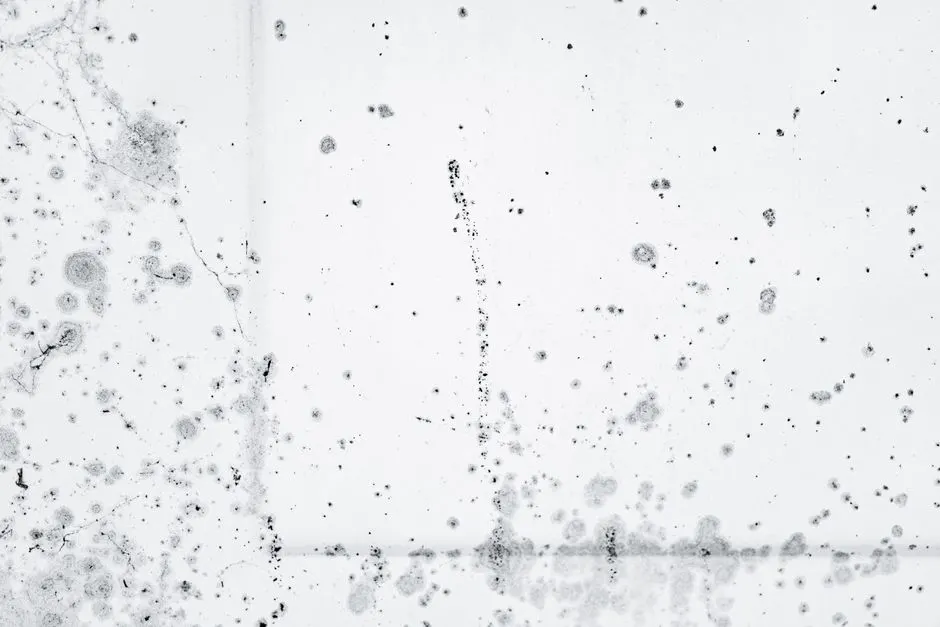
Full moisture inspection
Thermal imaging camera, moisture meter, and hygrometer readings across the affected area and adjacent rooms. We map every wet pocket, not just the visible stain, and document it all with photos.
Every mold remediation job we run covers inspection, containment, removal, treatment, drying, and verification. Reconstruction and source repairs are quoted separately so you can see the full picture before you commit. Here is what is in the standard scope.
Thermal imaging camera, moisture meter, and hygrometer readings across the affected area and adjacent rooms. We map every wet pocket, not just the visible stain, and document it all with photos.
Polyethylene sheeting barriers, negative air machine, and HEPA air scrubbers running for the duration. This keeps spores out of your living space and off your furniture while we work.
Contaminated drywall, insulation, and lumber removed and bagged. Structural framing wire-brushed, HEPA-vacuumed, and treated with antimicrobial solution and disinfectant.
Commercial dehumidifiers and air movers run until materials hit dry standard per ANSI/IICRC S500. Daily moisture readings documented and shared with you.
Clearance check with moisture readings and, when requested, third-party air sampling. We do not call a job done until the numbers say it is done.
Photos, moisture logs, and an Xactimate-format estimate formatted for your adjuster. We communicate directly with your carrier so the claim moves without you playing middleman.
Mold Remediation in Maryland is the process of locating active mold growth, stopping the moisture feeding it, and physically removing contaminated materials under containment. It is not a spray-and-wipe job. We set up polyethylene sheeting and negative air machines, run HEPA air scrubbers, and use moisture meters and thermal imaging cameras to find wet pockets behind drywall that look dry on the surface. Porous materials like insulation and soggy drywall come out. Structural lumber gets wire-brushed, treated with an antimicrobial solution, and dried to documented moisture levels.
Maryland homes get mold for predictable reasons. Summers here run humid enough that a crawl space with a failed vapor barrier stays damp for weeks, and winter brings frozen pipe bursts that soak a basement wall before anyone notices. Add sump pump failure during a heavy rain and you have ideal conditions for hidden mold growth inside 48 hours. That is why so many homeowners search for mold remediation in Maryland near me after a storm rather than before it. We handle both the emergency and the cleanup that follows.
Every job follows the same sequence, and you get told what is happening at each stage. Here is what a typical mold remediation in Maryland looks like from the first phone call to the clearance check.
Schedule
Call or book online — a real human picks up and confirms a 2-hour arrival window.
Diagnose
Licensed tech inspects on-site, then walks you through the cause and your options.
Fix
The job is completed to code and done right the first time — no shortcuts, no surprises.
Guarantee
Every job backed by a written workmanship warranty — and we stand behind it.
Thermal imaging camera
Finds temperature differences that reveal hidden moisture behind drywall, under flooring, and inside wall cavities without tearing anything open first.
Moisture meter and hygrometer
Measures material moisture content and ambient humidity so we can establish dry standard and track progress daily until readings hold.
Commercial dehumidifier (Dri-Eaz, Phoenix Restoration Equipment)
Pulls hundreds of pints of water per day out of the air so wet materials can release moisture and dry to standard.
Air scrubber and negative air machine (Abatement Technologies, Fantech)
Filters airborne spores and maintains negative pressure inside containment so contamination does not migrate into clean rooms.
Air movers
Direct high-volume airflow across wet surfaces to accelerate evaporation and prevent secondary growth while dehumidifiers run.
Inspection camera
Slides into wall cavities and crawl spaces to confirm mold growth and locate the water source without unnecessary demolition.
Submersible pump and wet/dry vacuum
Removes standing water fast after a sump pump failure, sewage backup, or storm intrusion, cutting the window before mold colonizes.
ANSI/IICRC S500 standard
The industry standard for water damage restoration and structural drying. We follow it on every job, which means documented moisture readings, defined dry standard, and a defensible scope for your insurance claim.
Containment and negative pressure
Polyethylene sheeting seals the work area, and a negative air machine keeps the pressure inside lower than the surrounding rooms. Spores get pulled out through HEPA filtration instead of drifting into your kitchen.
Antimicrobial treatment and HEPA vacuuming
After physical removal, we wire-brush and HEPA-vacuum structural framing, then apply antimicrobial solution and disinfectant. This is the step that keeps residual spores from re-colonizing once the area dries.
Post-remediation verification
Moisture readings and, when requested, third-party air sampling confirm the space is clean. We do not close out a job until the numbers hold for 24 hours and the clearance check passes.
01
What we do: We extract any remaining water, open the wall cavity under containment, remove saturated drywall and insulation, treat the framing, and dry the assembly to documented standard.
→ The wall is rebuilt and dry, with moisture readings on file for your insurance claim. Most jobs like this finish in five to seven days.
02
What we do: We inspect, scope the remediation, and provide a written estimate the seller and your agent can work from. If the deal closes, we schedule the work around your timeline.
→ You know exactly what the problem costs before you sign, and the crawl space is clean and dry before you move in.
03
What we do: We contain the bathroom, remove affected drywall, treat framing, and check whether the vent fan is actually exhausting outside or just dumping humid air into the attic.
→ The unit is rent-ready again, the fan gets corrected, and you have documentation for your records. Turnaround is usually three to four days.
04
What we do: We tarp if needed, extract, remove wet materials, and dry the structure. If mold has started in the cavity, remediation is added to the same scope.
→ One crew handles the whole job, from emergency response through reconstruction, so you are not coordinating between contractors.
Maryland's climate does most of the work for mold. Summers here stay humid enough that a crawl space with a failed vapor barrier never really dries out, and the freeze-thaw cycle in January and February cracks supply lines and splits outdoor spigots. Add heavy rain events that overwhelm sump pumps and you have the three conditions we see most: basement flooding, crawl space water intrusion, and frozen pipe burst damage. Building stock matters too. Older rowhouses in Baltimore and Halethorpe have masonry walls that hold moisture, while 1970s and 80s construction in Montgomery Village and Windsor Mill often has undersized vapor barriers and original sump pumps past their service life. We work to Maryland Department of the Environment regulations on containment and disposal, and our crews are EPA Lead-Safe Certified because disturbing painted surfaces in pre-1978 homes can release lead dust. If you need Maryland mold remediation and water damage restoration handled as one job, we run both scopes together so nothing falls between contractors.
Baltimore rowhouse blocks
Masonry party walls hold moisture after a roof leak or plumbing failure. We dry block walls longer than frame walls and check adjacent units for migration.
Germantown and Montgomery Village subdivisions
Many homes here have original sump pumps and aging vapor barriers. Crawl space and basement rim joist growth is common after a wet spring.
Perryville and Cecil County waterfront
Storm surge and high water tables push moisture into crawl spaces. We install sump pumps and vapor barriers rated for that kind of sustained groundwater.
Lanham and Prince George's County rentals
High turnover means small leaks go unreported. We scope the whole unit, not just the reported room, so hidden growth does not get missed.
Summer humidity above 70 percent for weeks
Crawl spaces and basements never fully dry without mechanical dehumidification. Drying timelines stretch by a day or two, and vapor barrier condition becomes critical.
Winter freeze-thaw splitting supply lines
Frozen pipe bursts soak wall cavities fast. Response time matters more than anything else, which is why we run 24/7 crews through January and February.
Heavy rain overwhelming sump pumps
Basement flooding follows within hours when a pump fails. We see clusters of calls after every major storm system moving up the coast.
Older housing stock with lead paint
Demolition on pre-1978 homes requires lead-safe work practices. Our EPA Lead-Safe Certified crews handle containment and disposal accordingly.
Most mold calls start with a water event the homeowner did not catch in time. Here are the situations we see most often, and what happens if they get ignored.
Problem
Hidden mold behind drywall or under carpet keeps releasing spores into the living space. Allergies, headaches, and respiratory issues get worse the longer it sits.
Our Fix
We use thermal imaging and moisture meters to find the wet cavity, open it up under containment, and remediate the growth. If the source is foundation seepage, we tell you what drainage or sealing work stops it from coming back.
Problem
A failed vapor barrier traps humidity against floor joists. Mold colonizes the wood framing and eventually works into the subfloor above, which is a much bigger repair.
Our Fix
We extract standing water, remove contaminated insulation, treat the joists, and install a new vapor barrier. Where grading or drainage is the cause, we recommend the fix so the crawl space stays dry.
Problem
Someone sprayed the surface without fixing the moisture source. Growth comes back within months, often worse because the underlying leak was never addressed.
Our Fix
We trace the water source first, whether that is a roof leak, a slow supply line, or a sump pump that only runs sometimes. Fix the source, dry the structure, then remediate. That sequence is why our jobs do not come back.
Problem
Category 3 water carries bacteria and needs full disinfection, not just drying. Mold can start colonizing within 24 to 48 hours in Maryland summer humidity.
Our Fix
We extract, remove contaminated materials, disinfect, and dry to standard. If growth has already started, remediation is folded into the same scope so you are not scheduling two separate crews.
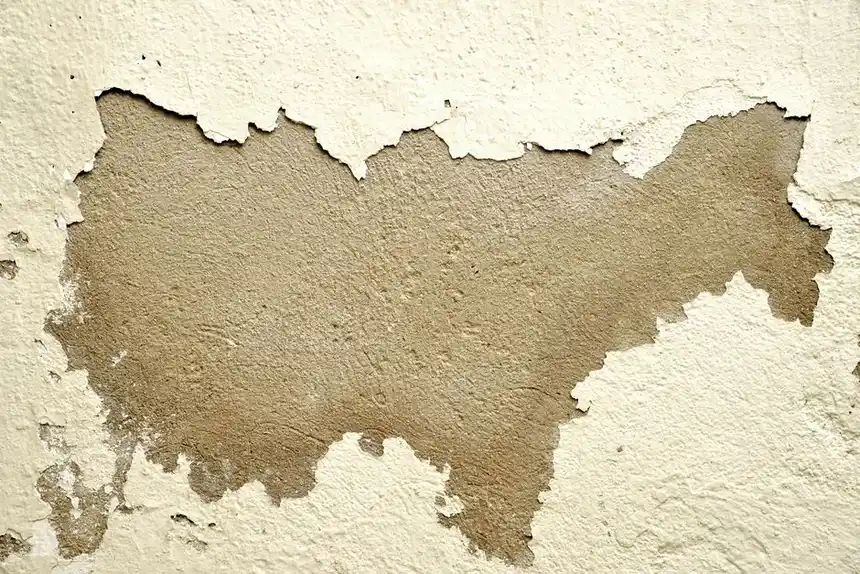
Mold spreads while you wait, and the longer it sits, the more material has to come out. Here is what you get when our crew handles the job instead of a general handyman with a spray bottle.
Air you can breathe
We run air scrubbers and negative air machines for the full job, not just an hour. Spore counts drop measurably, and we verify with post-remediation testing before we pull containment down. Families with allergies or asthma usually notice the difference the first night back in the room.
We find the water source
Mold returns if the moisture does. We trace the source with moisture meters and an inspection camera, whether that is foundation seepage, a roof leak, or a sump pump that quit during a storm. Fix the source, dry the structure, and the mold stays gone.
Insurance paperwork handled
We document everything with photos, moisture readings, and Xactimate-format estimates that adjusters recognize. Most sudden-damage claims, like a burst pipe or storm intrusion, get covered. We work directly with your carrier so you are not translating between a contractor and an adjuster.
Same-day emergency response
Water does not wait for business hours, so we run 24/7 mold remediation in Maryland for active leaks and storm intrusion. Call at 2 a.m. after a frozen pipe burst and a crew is dispatched with extraction and drying equipment. Fast response is the difference between a small job and a gutted basement.
Mold remediation pricing in Maryland depends on square footage, how deep the growth goes, and whether materials have to be removed. Typical 2026 pricing runs $1,200 to $6,500 for most residential jobs, with small single-room cleanups starting around $800 and full basement jobs with reconstruction reaching $10,000 or more. We give you a written scope with line items before any work starts, so you know what removal, treatment, drying, and rebuild each cost. If you are comparing quotes for affordable mold remediation in Maryland, ask each company what their price includes for containment, verification, and reconstruction.
Typical Investment Range
$800 - $10,000+ depending on scope
The price reflects containment, HEPA filtration, antimicrobial treatment, structural drying to documented standard, and verification. Skipping any of those steps is how mold comes back and you pay twice. We would rather quote the full job once.
What changes the price
Square footage affected
A single bathroom is a different job than a full basement. Larger areas mean more containment, more equipment, and more material removal, which drives both labor and disposal costs.
Depth of growth
Surface growth on tile or concrete cleans up faster. Growth that has penetrated drywall, insulation, or framing means those materials come out and get replaced, which adds both removal and rebuild cost.
Access and containment difficulty
Crawl spaces and finished basements with limited access take longer to set up and work in. Tight spaces also mean smaller equipment and slower progress, which adds labor hours.
Moisture source repair
If the source is a failed sump pump or a disconnected downspout, that repair is separate from remediation. Fixing it is what keeps mold from returning, so we quote it clearly rather than skipping it.
Reconstruction scope
Drywall, insulation, paint, and trim replacement are quoted separately from remediation. Some homeowners handle the rebuild themselves, and we are fine with that. We just make sure the space is dry and clean first.
Testing and verification
Third-party air sampling adds a few hundred dollars but gives you independent documentation for insurance or a real estate transaction. We include moisture verification in every job at no extra cost.
Google ★★★★★4.9
Called at 11 p.m. after a pipe burst and they had a crew at the house within the hour. They extracted, set up drying equipment, and came back daily to check readings. Mold remediation was handled in the same scope. No surprises on the bill.
Google ★★★★★4.8
They found the actual water source two other companies missed. Turned out to be a slow supply line leak behind the kitchen wall. Removed the growth, dried everything, and the rebuild looks original. Worth every dollar.
BBB ★★★★★4.9
Professional from the first phone call. Containment was tight, they wore proper PPE, and they walked me through the moisture readings every day. Insurance adjuster accepted their estimate without changes. Highly recommend.
Yelp ★★★★★4.7
Crawl space job in a 1960s house. They replaced the vapor barrier, treated the joists, and fixed the drainage issue that caused it. Six months later, still dry. They know what they are doing.
Our technicians hold IICRC WRT, IICRC ASD, and IICRC AMRT credentials, which means they are trained in water damage restoration, structural drying, and mold remediation specifically, not just general construction. We work to the ANSI/IICRC S500 standard on every water job and follow Maryland Department of the Environment regulations on containment and disposal. The team is EPA Lead-Safe Certified and OSHA 10 trained, which matters in older Maryland housing stock where disturbing painted surfaces can release lead dust. We are licensed through the Maryland Home Improvement Commission and carry full liability and workers comp coverage. Every job gets documented moisture readings, photos, and a written scope, so your insurance claim and your records both hold up.
Our mold remediation crews cover Maryland statewide, from the Baltimore and Washington suburbs out to the rural counties. Response times stay short because we position equipment and teams across the region, not out of one central warehouse. Here is a sample of the communities we serve, and how we handle mold removal Maryland-wide.
Subdivision homes with original sump pumps and aging vapor barriers. We handle basement and crawl space remediation, plus the drainage fixes that keep water out.
Industrial-adjacent residential properties where stormwater and foundation seepage are common. We extract, dry, and remediate, with documentation for commercial and residential claims.
Split-levels and ranches with finished basements prone to sump pump failure. We respond fast after storms and handle remediation plus rebuild in one scope.
1970s construction with tight crawl spaces and older insulation. We remove contaminated materials, treat framing, and install new vapor barriers rated for the area.
Townhomes and single-family homes where shared walls can spread moisture. We check adjacent units and contain the work area so spores do not migrate.
Older masonry homes near the Patapsco where block walls hold moisture after leaks. We dry masonry longer and verify with moisture readings before closing out.
Mid-century housing with original plumbing that develops slow leaks inside walls. We use thermal imaging to find wet cavities before opening anything up.
Rental-heavy neighborhoods where small leaks go unreported. We scope the whole unit, not just the reported room, and document everything for property owners.
Waterfront properties near the South River with high water tables. We install sump pumps and vapor barriers built for sustained groundwater, then remediate any growth.
Carroll County homes with well systems and older basements. We handle frozen pipe burst cleanup and the mold remediation that follows in the same scope.
Cecil County waterfront where storm surge pushes water into crawl spaces. We extract, disinfect, and remediate, with equipment sized for tidal flooding conditions.
Small Prince George's County community near the Potomac. We handle basement and crawl space mold with short response times from our southern crews.
Rural Carroll County properties with detached structures and older farmhouses. We remediate main homes, barns, and outbuildings with the same documentation standard.
Southern Prince George's County homes on larger lots with well water and septic. We handle crawl space remediation and the moisture source repairs that prevent return.
Howard County properties where tree cover keeps roofs and siding damp. We trace roof leaks to the source, remediate the affected cavities, and dry to standard.
Real answers to the questions we hear most often from local homeowners and property managers.
Mold almost always follows a water event. Our restoration crews extract, dry, and rebuild after burst pipes, appliance failures, and storm intrusion, then hand off to mold remediation if growth has already started.
View Water Damage RestorationStanding water feeds mold fast. We pull water with submersible pumps and wet/dry vacuums within hours of your call, which is the single biggest factor in whether a mold job is needed at all.
View Water ExtractionCall at 2 a.m. after a frozen pipe burst and we dispatch immediately. Fast emergency water removal in Maryland limits how much material gets saturated, which limits how much mold remediation you end up paying for.
View Emergency Water RemovalStorm surge and flash flooding push contaminated water into basements and crawl spaces. We handle extraction, disinfection, and drying, then assess for mold growth once the structure is dry.
View Flood CleanupBasements are the most common mold site we see in Maryland. We remove standing water, dry block walls and concrete floors, and check rim joists and framing for hidden growth before it spreads.
View Basement Water RemovalA wet crawl space stays humid for months and feeds mold into the living space above. We extract water, replace failed vapor barriers, and install sump pumps where needed to keep it dry.
View Crawl Space Water RemovalCall (855) 713-4896 any time, day or night. A live dispatcher answers, takes your address, and sends the nearest crew. For non-emergency questions, email info@waterdamageprosmaryland.com and we will get back to you the same business day. If water is actively rising, call first.
Phone
(855) 713-4896Address
Maryland
Hours
Mon–Fri: 7AM – 7PM
Sat: 8AM – 4PM
Sun: Emergency Only
24/7 Emergency Available