
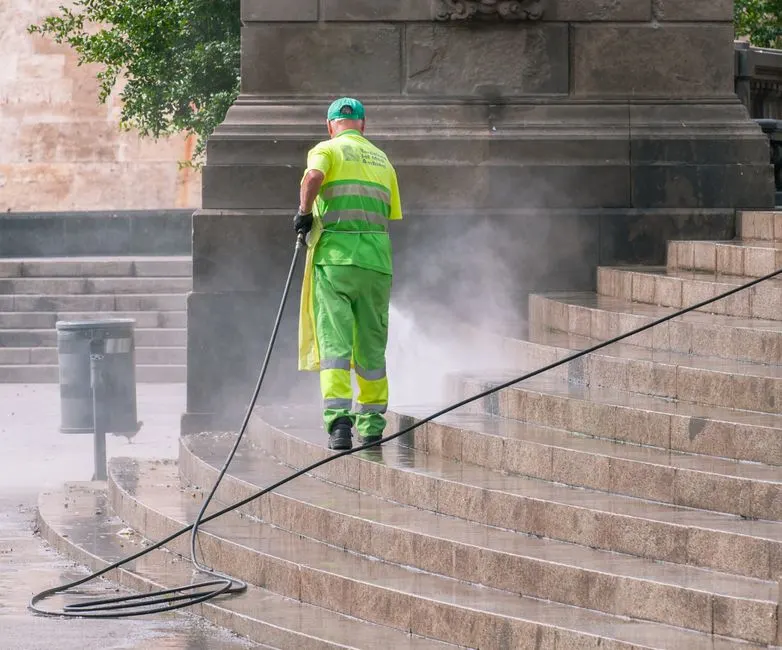
Full Water Extraction
Submersible pumps and truck-mounted extraction remove standing water from the crawl space floor, vapor barrier, and soil. We work around ductwork, plumbing, and piers to get every pocket of water out.
Every crawl space water removal job includes the full extraction and drying scope, not just pumping water and leaving. Here is what is covered in a standard service call, and what we will flag as an add-on if your space needs it.
Submersible pumps and truck-mounted extraction remove standing water from the crawl space floor, vapor barrier, and soil. We work around ductwork, plumbing, and piers to get every pocket of water out.
A moisture meter, thermal imaging camera, and hygrometer map the wet zone and track drying progress. You get before-and-after readings in writing, which is what your insurer wants to see.
Framing, joists, and subfloor get treated with antimicrobial solution after extraction. This stops mold and bacteria from taking hold in the damp wood while the space finishes drying.
We size commercial dehumidifiers and air movers to your crawl space's cubic footage and run them until framing hits dry standard. Daily monitoring confirms the equipment is working.
We trace the water back to its source, whether that is a burst pipe, sump pump failure, foundation seepage, or roof leak. Fixing the cause is what keeps the crawl space dry after we leave.
Crawl Space Water Removal in Maryland is the process of pumping, extracting, and drying standing water from the shallow space beneath a home so the structure stops absorbing moisture. It starts with a submersible pump or wet/dry vacuum to pull the bulk water, then a moisture meter and thermal imaging camera to find what the eye misses. From there we set commercial dehumidifiers and air movers, treat framing with antimicrobial solution, and verify the space is dry against the ANSI/IICRC S500 standard before we pack up.
Maryland crawl space water removal calls come in year-round for different reasons. In November, clogged gutters and saturated soil push water against foundations after heavy rain. In January, a frozen pipe burst floods a crawl space overnight. By spring, sump pump failure and foundation seepage show up across older housing stock. If you search crawl space water removal in Maryland near me after a storm, that is exactly the call we answer, day or night.
Every job follows the same five steps, whether it is a two-inch puddle in a Rockville rancher or a foot of storm water under a waterfront home in West River. Here is exactly what you can expect from the first call to the final moisture reading.
Schedule
Call or book online — a real human picks up and confirms a 2-hour arrival window.
Diagnose
Licensed tech inspects on-site, then walks you through the cause and your options.
Fix
The job is completed to code and done right the first time — no shortcuts, no surprises.
Guarantee
Every job backed by a written workmanship warranty — and we stand behind it.
Submersible Pump
Moves bulk standing water out of the crawl space quickly, even when the depth is more than a few inches. Essential for storm flooding and burst pipe calls.
Commercial Dehumidifier (Dri-Eaz, Phoenix Restoration Equipment)
Pulls moisture out of the air and framing after extraction. Sized to the crawl space's cubic footage and run until dry standard is reached.
Air Movers
Circulate air across wet surfaces to speed evaporation. Positioned to reach corners, piers, and under ductwork where moisture hides.
Thermal Imaging Camera
Reveals hidden moisture behind vapor barriers, insulation, and framing that a visual inspection would miss.
Moisture Meter and Hygrometer
Measure moisture content in wood and relative humidity in the air. Used daily to track drying progress and confirm the job is done.
Inspection Camera
Lets us see behind ductwork, under vapor barrier seams, and into tight corners without pulling materials unnecessarily.
Air Scrubber (Abatement Technologies)
Filters airborne particles and odors during drying, which matters when mold or sewage contamination is present.
ANSI/IICRC S500 Standard
The industry standard for water damage restoration. We follow it for extraction, drying, and verification so every job is documented and defensible.
Moisture Mapping
We map the wet zone with a moisture meter and thermal imaging camera before and after drying. This tells us exactly where to focus equipment and when the space is truly dry.
Antimicrobial Treatment
After extraction, we apply antimicrobial solution to framing, joists, and subfloor. This stops mold and bacteria from colonizing damp wood while drying finishes.
Vapor Barrier Assessment
We check the existing vapor barrier for tears, gaps, and improper installation. A failed barrier is often why a crawl space stays damp even after water is removed.
01
What we do: We inspect the crawl space with a moisture meter and thermal imaging camera, find the wet zone, and extract any standing water. If mold has started, we treat it as part of the same visit.
→ You get a dry crawl space, a clear answer on the source, and a plan to keep it from coming back.
02
What we do: Our emergency crawl space water removal Maryland crew responds 24/7, shuts off the water, pumps the space dry, and sets drying equipment the same day.
→ The structure is dried before mold can start, and your insurance claim is documented from day one.
03
What we do: We perform a full crawl space water extraction and drying service, then provide written moisture readings and photos that satisfy lenders and buyers.
→ The sale moves forward with a documented dry crawl space and no last-minute surprises.
04
What we do: We extract the water, dry the space, and evaluate whether your sump pump, vapor barrier, or drainage needs an upgrade to handle the next storm.
→ Your crawl space is dry, and you have a concrete plan to prevent the same flooding next season.
Maryland crawl space water removal looks different depending on where you are. In older Baltimore and Annapolis neighborhoods, homes often have stone foundations, dirt floors, and aging vapor barriers that let groundwater seep in during every heavy rain. In newer construction out in Clarksburg and Glenn Dale, the issue is more often a failed sump pump or a burst pipe during a January freeze. Along the Chesapeake Bay and its tributaries, storm surge and tidal flooding push water into crawl spaces in West River, Gibson Island, and Earleville. We size equipment and drying plans to the specific conditions we find, and we follow MDE regulations on water disposal and MHIC licensing requirements on every job. If you need 24/7 crawl space water removal in Maryland, we are set up to respond statewide.
Baltimore City rowhouse blocks
Older stone and brick foundations with original dirt crawl spaces. Seepage and burst pipes are the most common calls we run here.
Annapolis waterfront
Tidal flooding and storm surge push water into crawl spaces regularly. We see this most after nor'easters and heavy fall storms.
Columbia and Ellicott City
Mix of 1970s and newer construction. Sump pump failures and foundation seepage after heavy rain are the typical calls.
Eastern Shore communities
High water tables and sandy soil mean crawl spaces stay damp. Vapor barrier and drainage issues show up often in Cecilton and Earleville.
High water table in low-lying areas
Crawl spaces in places like West River and Gibson Island stay damp even without a storm. We often recommend vapor barrier upgrades alongside extraction.
Freeze-thaw cycles in winter
Frozen pipe bursts are a leading cause of emergency crawl space water removal calls from December through February.
Summer humidity and heavy rain
High humidity slows drying and makes dehumidification more critical. We size equipment for Maryland's summer moisture load.
Older housing stock with dirt floors
Dirt crawl spaces hold moisture longer than concrete. Drying takes more time, and vapor barrier installation is often part of the fix.
Water gets into a crawl space in more ways than most homeowners realize. These are the calls we run most often across Maryland, and what happens if they are left alone.
Problem
Water rises fast and saturates the entire crawl space floor, wicking into joists and insulation within hours.
Our Fix
We extract the standing water, dry the framing to standard, and check whether your sump pump needs replacement or a backup battery before the next storm hits.
Problem
A pressurized leak can dump hundreds of gallons into a crawl space overnight, often without any sign inside the house.
Our Fix
Our crew shuts off the source, extracts the water, and dries the space with commercial dehumidifiers. We document everything for your insurance claim and flag any pipe that needs repair.
Problem
Slow, repeated seepage keeps the crawl space damp year-round, which feeds mold growth and rots lumber over time.
Our Fix
We extract and dry the space, then recommend fixes like concrete sealer, a new vapor barrier, or improved grading so water stops finding its way in.
Problem
Floodwater carries silt and contaminants that soak into wood and insulation, creating a health hazard on top of the moisture damage.
Our Fix
We treat this as a flood cleanup job: extract, remove contaminated materials, disinfect with antimicrobial solution, and dry the space to standard.
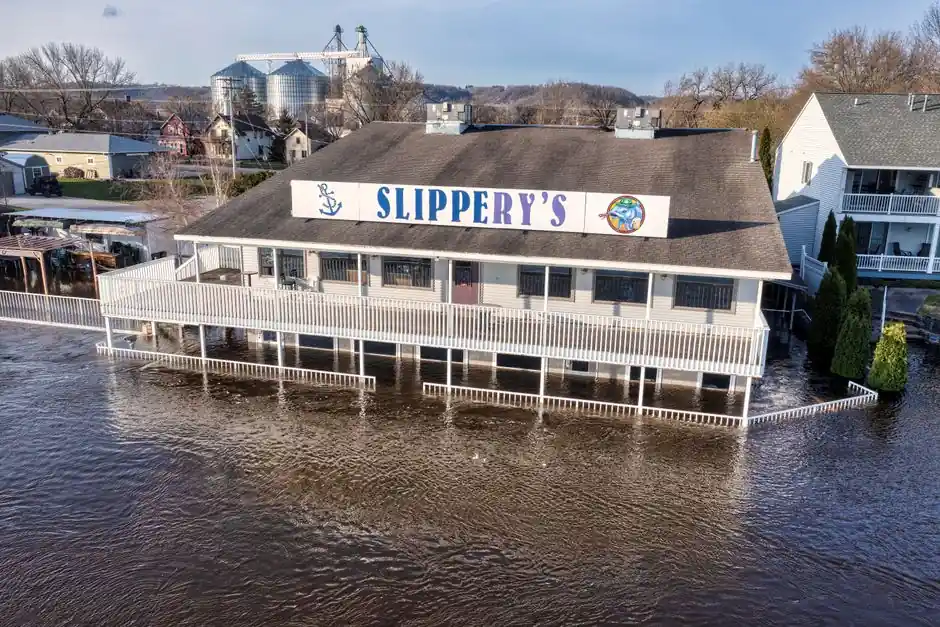
Standing water under a house does not dry on its own, and every day it sits there the repair bill grows. Here is what fast, code-correct crawl space water extraction in Maryland actually buys you.
Stop Mold Before It Starts
Mold can colonize wet wood in 24 to 48 hours. We extract, dry, and apply antimicrobial solution within that window, so hidden mold growth never gets a foothold in your joists, subfloor, or insulation.
Protect Structure and Air Quality
Wet lumber loses strength, insulation sags, and moisture wicks up into living space. Our drying brings framing back under 16% moisture content, which protects your floors and the air your family breathes upstairs.
Documentation for Your Claim
We photograph moisture readings, log daily drying data, and format everything for Xactimate, so your insurer sees the scope clearly. That paperwork is what turns a denied claim into a covered one.
Same-Day Emergency Response
Our emergency crawl space water removal Maryland crews roll 24/7 with truck-mounted pumps and Dri-Eaz drying equipment. Most calls get a technician on site the same day, often within a couple of hours.
Typical 2026 pricing for crawl space water removal in Maryland runs $450 to $2,800, depending on water depth, square footage, and how many days of drying are needed. Shallow extraction with one day of drying sits at the low end. Deep flooding with several days of dehumidification and antimicrobial treatment pushes toward the top. We give you a written price before work starts, and we document everything for your insurance claim.
Typical Investment Range
$450 - $2,800 depending on scope
The cost of extraction and drying is a fraction of what mold remediation, joist replacement, or subfloor repair runs. Getting the water out fast and drying to standard is what protects your home and your wallet long-term.
What changes the price
Water depth and volume
A two-inch puddle extracts in under an hour. A foot of storm water can take four hours or more and requires larger pumps and more drying equipment.
Crawl space square footage
Larger spaces need more dehumidifiers and air movers, which increases both equipment cost and drying time. A 2,000-square-foot crawl space takes roughly twice the equipment of a 1,000-square-foot one.
Water category
Clean water from a supply line is straightforward. Sewage backup or floodwater is Category 3 and requires disinfection, PPE, and sometimes removal of contaminated materials, which adds cost.
Drying duration
Most jobs dry in two to four days. Dirt floors, high humidity, and poor ventilation can stretch that to five or six days, and each additional day adds equipment and monitoring cost.
Access and obstructions
Tight access, low clearance, and heavy ductwork slow the work and require smaller equipment. We factor this in upfront so there are no surprises.
Repairs and prevention
If the vapor barrier is torn, the sump pump is dead, or a foundation crack is letting water in, those fixes are quoted separately. They are what keep the problem from coming back.
Google ★★★★★4.9
Called at 11 p.m. after a pipe burst and they had a crew at my house within two hours. Pumped the crawl space dry, set up dehumidifiers, and came back daily to check readings. Professional from start to finish.
Yelp ★★★★★4.8
We had storm flooding in our crawl space and they handled everything, including the insurance paperwork. The space was dry in three days and they showed us the moisture readings before and after. Would use again.
BBB ★★★★★4.9
Fair pricing, clear communication, and they actually explained what caused the problem instead of just pumping water and leaving. The vapor barrier recommendation saved us from dealing with this again next year.
Our technicians hold IICRC WRT and ASD certifications, which means they are trained in water damage restoration and structural drying to the ANSI/IICRC S500 standard, not just pumping water and leaving. We carry Maryland Home Improvement Commission (MHIC) licensing, follow Maryland Department of the Environment (MDE) regulations on water disposal, and hold EPA Lead-Safe Certified status for pre-1978 housing common across Baltimore and Annapolis. Every crew runs OSHA 10 safety training, and we document each job with moisture readings you can keep for your records or your insurer.
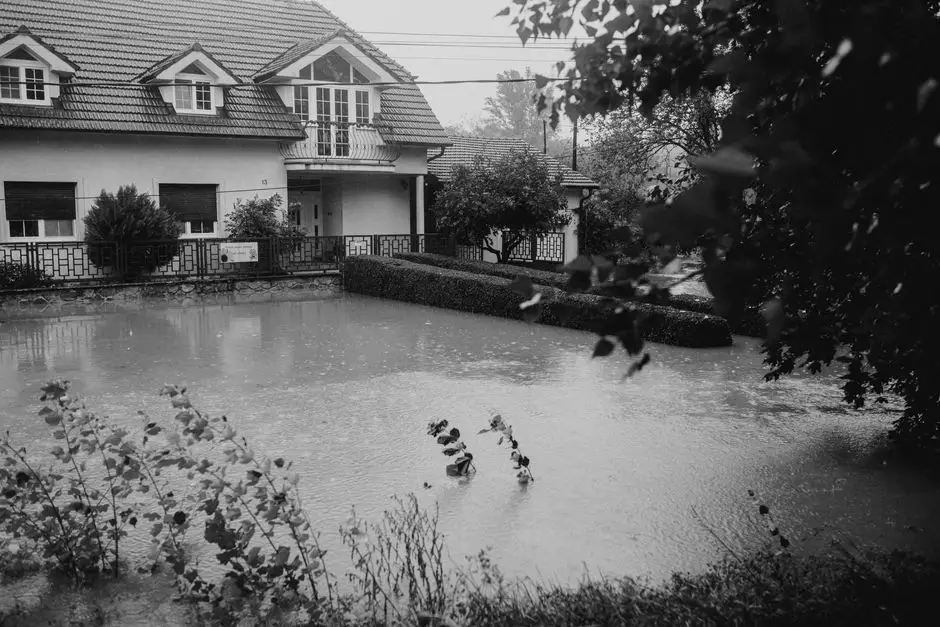
We deliver crawl space water extraction Maryland-wide, from the DC suburbs to the Eastern Shore. Crews are stationed to reach most addresses within a couple of hours, and we handle everything from single-family homes to rental properties and small commercial buildings. Here are some of the communities we serve most often.
Crawl space water removal in White Plains covers homes on well and septic systems where sump pump failures and foundation seepage are common after heavy rain.
Rockville crawl spaces range from older ranchers to newer construction. We handle burst pipes, sump pump failures, and seepage with same-day extraction and drying.
Catonsville's older housing stock often has stone foundations and dirt crawl spaces. We extract water, dry the framing, and recommend vapor barrier upgrades where needed.
Sandy Spring properties sit on larger lots with mature trees and high water tables. Crawl space water removal here often includes drainage and grading recommendations.
Clarksburg's newer construction still sees crawl space flooding from burst pipes and sump pump failures. We respond 24/7 and document everything for insurance.
Cockeysville homes near the Loch Raven watershed deal with foundation seepage after storms. We extract, dry, and treat framing with antimicrobial solution.
Oxon Hill crawl spaces often flood from heavy rain and aging drainage. Our crew extracts water, dries the space, and checks the vapor barrier for failures.
Glenn Dale properties see crawl space water from sump pump failures and foundation cracks. We handle extraction, drying, and cause identification in one visit.
Chevy Chase's older homes have crawl spaces that are prone to seepage and pipe leaks. We dry to ANSI/IICRC S500 standard and document for insurers.
Poolesville's rural setting means well water, septic systems, and high water tables. Crawl space water removal here often pairs with drainage improvements.
West River waterfront homes face tidal flooding and storm surge. We respond fast to pump, extract, and dry crawl spaces before mold can start.
Crawl space water removal at Andrews Air Force Base covers base housing and nearby properties. We handle emergency calls 24/7 with full documentation.
Crownsville homes near the Severn River deal with high water tables and storm flooding. We extract, dry, and recommend vapor barrier and sump pump fixes.
Cecilton's Eastern Shore location means sandy soil and high water tables. Crawl spaces here stay damp, and we often pair extraction with vapor barrier work.
Barnesville's rural properties often have older crawl spaces with dirt floors. We extract water, dry the framing, and recommend long-term moisture control.
Real answers to the questions we hear most often from local homeowners and property managers.
When crawl space water reaches subfloor or wall cavities, full water damage restoration rebuilds what drying alone cannot save. We handle extraction, drying, and repairs under one scope so you are not coordinating three contractors.
View Water Damage RestorationStanding water in basements, laundry rooms, and crawl spaces gets pulled fast with truck-mounted extraction and submersible pumps. It is the first step in almost every crawl space water removal job we run.
View Water ExtractionBurst pipes at 2 a.m. and storm flooding on a Sunday both get the same response: a crew dispatched immediately. Our emergency line is answered 24/7, and we roll with pumps and drying gear ready.
View Emergency Water RemovalStorm surge, creek overflow, and heavy rain flooding bring silt, contaminants, and debris into crawl spaces. Flood cleanup includes extraction, disinfection, and debris removal so the space is safe to work in again.
View Flood CleanupBasement flooding and crawl space water often share a cause: foundation seepage, failed sump pumps, or clogged drainage. We treat both spaces together when water has moved between them.
View Basement Water RemovalA sewage backup in a crawl space is a Category 3 hazard requiring full disinfection, not just drying. We remove contaminated water, treat surfaces with antimicrobial solution, and verify the space is safe.
View Sewage Backup CleanupCall (855) 713-4896 any time, day or night. A live dispatcher answers, takes your address, and sends the nearest crew. For non-emergency questions, email info@waterdamageprosmaryland.com and we will get back to you the same business day. If water is actively rising, call first.
Phone
(855) 713-4896Address
Maryland
Hours
Mon–Fri: 7AM – 7PM
Sat: 8AM – 4PM
Sun: Emergency Only
24/7 Emergency Available