
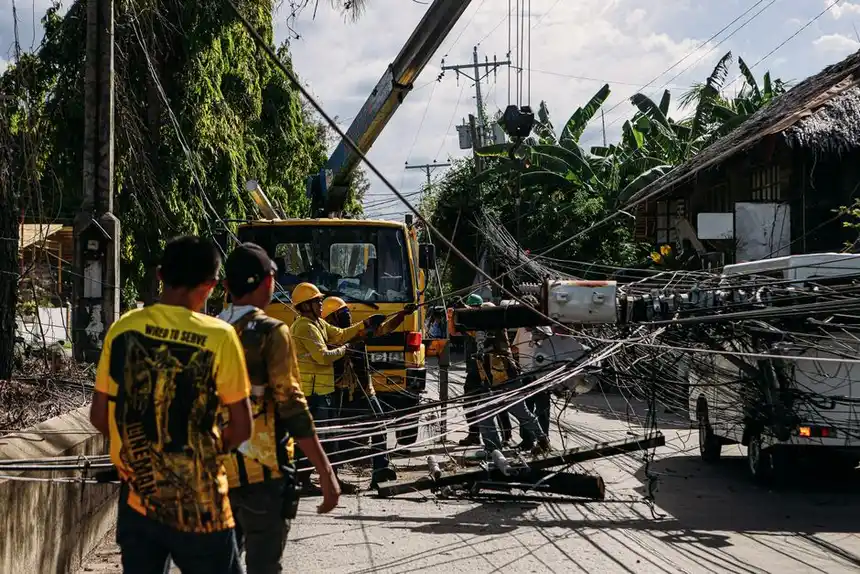
Emergency Board-Up & Tarping
We seal broken windows, doors, and roof sections with plywood and polyethylene sheeting to stop rain intrusion. This happens the same day you call, usually within the first two hours on-site.
Every storm job is different, but our standard scope covers the emergency work, the drying, and the rebuild. Here's what you get when you hire us. Anything outside this list, like pool enclosure repair or fence replacement, we'll quote separately before we touch it.
We seal broken windows, doors, and roof sections with plywood and polyethylene sheeting to stop rain intrusion. This happens the same day you call, usually within the first two hours on-site.
Submersible pumps and wet/dry vacuums pull standing water out of basements, crawl spaces, and living areas. We can remove several hundred gallons per hour on a typical residential job.
Commercial dehumidifiers, air movers, and air scrubbers run continuously until moisture readings hit the dry standard. We log readings daily and share them with you and your adjuster.
We apply EPA-registered antimicrobial solution to affected framing, subfloors, and wall cavities to stop mold growth. This is standard on every storm job, not an add-on.
Storm debris, ruined drywall, soaked insulation, and damaged flooring all get hauled away and disposed of according to Maryland Department of the Environment regulations.
Drywall, insulation, roofing, siding, paint, and trim get rebuilt by our own crews. We pull permits where required and schedule the final inspection with your county.
Storm Damage Restoration in Maryland is the process of stabilizing a home or commercial building after wind, hail, heavy rain, or flooding, then returning it to pre-storm condition. That means emergency board-up and tarping, water extraction with submersible pumps and wet/dry vacuums, structural drying using commercial dehumidifiers and air movers, and repairs to drywall, insulation, and roofing. We document every step with moisture meters and thermal imaging cameras so your insurance claim is airtight.
Maryland storms hit differently depending on where you live. The Eastern Shore and Anne Arundel County waterfronts deal with storm surge flooding and tidal backups, while inland Baltimore and Howard County neighborhoods get hammered by summer microbursts that drop trees on roofs and snap power lines. A burst pipe after a January freeze is just as common as a flooded basement in July. Our team handles both, and we work directly with your adjuster so you're not stuck translating Xactimate line items on your own.
Every storm job follows the same five steps. You'll know what's happening, when it's happening, and what it costs before we start. No surprises, no upsells mid-job.
Schedule
Call or book online — a real human picks up and confirms a 2-hour arrival window.
Diagnose
Licensed tech inspects on-site, then walks you through the cause and your options.
Fix
The job is completed to code and done right the first time — no shortcuts, no surprises.
Guarantee
Every job backed by a written workmanship warranty — and we stand behind it.
Commercial Dehumidifier (Dri-Eaz, Phoenix)
Pulls moisture out of the air and wall cavities during structural drying. We run LGR and desiccant units depending on the job.
Air Movers
High-velocity fans that evaporate moisture from surfaces so the dehumidifiers can capture it. We place them based on the IICRC S500 formula for the affected square footage.
Thermal Imaging Camera
Reveals hidden water behind walls, under floors, and in ceilings without cutting into the structure. We use it during the initial assessment and again at final inspection.
Moisture Meter & Hygrometer
Measures moisture content in drywall, wood, and concrete, and tracks relative humidity in the air. Daily readings prove the structure is drying on schedule.
Submersible Pump
Removes standing water from basements and crawl spaces at several hundred gallons per hour. Essential for storm flooding and sump pump failures.
Air Scrubber & Negative Air Machine (Fantech, Abatement Technologies)
Filters airborne mold spores and dust during remediation and keeps contaminated air from spreading to clean areas of the home.
Inspection Camera
Lets us see inside wall cavities and ductwork without demolition, so we only open what actually needs to be opened.
ANSI/IICRC S500 Standard
The industry standard for water damage restoration. It defines how we classify the water, categorize the loss, and calculate the drying equipment needed for each job. Following it protects your insurance claim.
Xactimate Estimating
The same estimating software most insurance carriers use. Our scopes are line-item compatible with your adjuster's, which means fewer delays and fewer disputes over covered work.
IICRC AMRT Mold Protocols
When mold is present, we follow AMRT remediation protocols: containment with polyethylene sheeting, negative air pressure, HEPA filtration, and antimicrobial treatment of affected surfaces.
EPA Lead-Safe Work Practices
Many Maryland homes built before 1978 contain lead paint. Our EPA Lead-Safe certification means we handle demolition and repairs in those homes without creating a lead hazard for your family.
01
What we do: We dispatch a crew immediately, tarp the roof, and place buckets and extraction equipment to catch the water. By morning, the leak is stopped and drying equipment is running.
→ You wake up to a controlled situation instead of a collapsed ceiling and a five-figure repair bill.
02
What we do: We pump out the water, remove soaked flooring and drywall, treat the framing with antimicrobial solution, and dry the structure to the IICRC dry standard.
→ Your home is dry, mold-free, and ready for rebuild within a week, with full documentation for your flood claim.
03
What we do: We inspect the attic with thermal imaging, find the intrusion points, tarp the damaged sections, and dry the ceiling and insulation.
→ The leak is fixed before it ruins the ceiling, and your insurance claim includes the roof repair and interior restoration.
04
What we do: We coordinate with the tenant, shut off the water, extract from both floors, and dry the wall cavities. We bill the landlord's carrier directly and keep you updated by phone.
→ The property is dried and repaired without you having to drive back, and the tenant stays housed.
Maryland's storm season runs year-round. Winter brings nor'easters and frozen pipe bursts, spring and summer bring severe thunderstorms and microbursts, and hurricane season from June through November can push storm surge into low-lying communities along the Chesapeake Bay and its tributaries. Building stock varies wildly: Baltimore rowhouses with original plaster walls dry differently than newer Columbia construction with engineered lumber, and waterfront homes in Anne Arundel County deal with crawl space water intrusion that inland properties never see. We adjust our drying plans to the structure, not the other way around. We also follow Maryland Home Improvement Commission licensing rules and MDE disposal regulations on every job, so the paperwork is clean from start to finish. If you need emergency storm damage repair in Maryland, we're set up to handle it.
Columbia
Planned-community construction with engineered lumber and tight building envelopes. We use lower-grain drying settings to avoid over-drying and cracking the framing.
Hanover
Mix of newer townhomes and commercial properties near BWI. Storm drain backups are common here after heavy rain, so we keep extraction equipment staged nearby.
Pasadena
Waterfront and near-water properties on the Patapsco and Magothy. Storm surge and tidal flooding drive most of our calls here, especially in fall and winter.
Takoma Park
Older housing stock with original plaster and sometimes lead paint. Our EPA Lead-Safe certification matters on every demolition and repair job here.
Perry Point
Cecil County waterfront near the Susquehanna. Storm surge and ice damage in winter are the two biggest drivers of restoration calls in this area.
Nor'easters and winter coastal storms
These bring heavy rain, high winds, and tidal flooding to the Eastern Shore and Anne Arundel County. Roof damage and basement flooding spike between November and March.
Summer microbursts and severe thunderstorms
Fast, localized wind events drop trees on roofs and snap power lines across Baltimore, Howard, and Montgomery counties. Damage is often concentrated in a few neighborhoods.
Hurricane season storm surge
From June through November, low-lying communities near the Chesapeake Bay face storm surge flooding. Crawl space and first-floor water intrusion are the most common losses.
January freeze events
Sustained temperatures below 20°F cause frozen pipe bursts in older homes with uninsulated crawl spaces and exterior walls. These calls come in fast, usually overnight.
Storm damage rarely announces itself cleanly. Sometimes it's a visible hole in the roof; sometimes it's a musty smell three weeks later. Here are the problems we see most often and how we handle them.
Problem
Saturated insulation loses R-value, ceiling drywall sags and collapses, and mold colonizes the attic decking within 48 hours.
Our Fix
We tarp the roof the same day, extract water from the attic, remove wet insulation, and dry the decking with commercial dehumidifiers. Once dry, we replace the insulation and repair the ceiling drywall.
Problem
Standing water wicks up drywall, ruins flooring, and creates a Category 2 or 3 loss if sewage is involved. Mold follows fast in humid Maryland summers.
Our Fix
We pump out the water, remove unsalvageable materials, treat the space with antimicrobial solution, and dry the concrete and framing. We also check and replace the sump pump so it doesn't fail again.
Problem
Crawl space water rots joists, warps subfloors, and drives humidity into the living space above. It's one of the most expensive problems to fix if ignored.
Our Fix
We extract the standing water, dry the joists and subfloor with air movers, and install a new vapor barrier. We also check foundation seepage points and seal them before the next storm.
Problem
A single burst pipe can dump hundreds of gallons into walls and ceilings before you notice. By morning, drywall is sagging and hardwood is cupping.
Our Fix
We shut off the water, extract the standing water, and dry the wall cavities with desiccant dehumidifiers. Then we repair the pipe, replace damaged drywall, and refinish the floors.
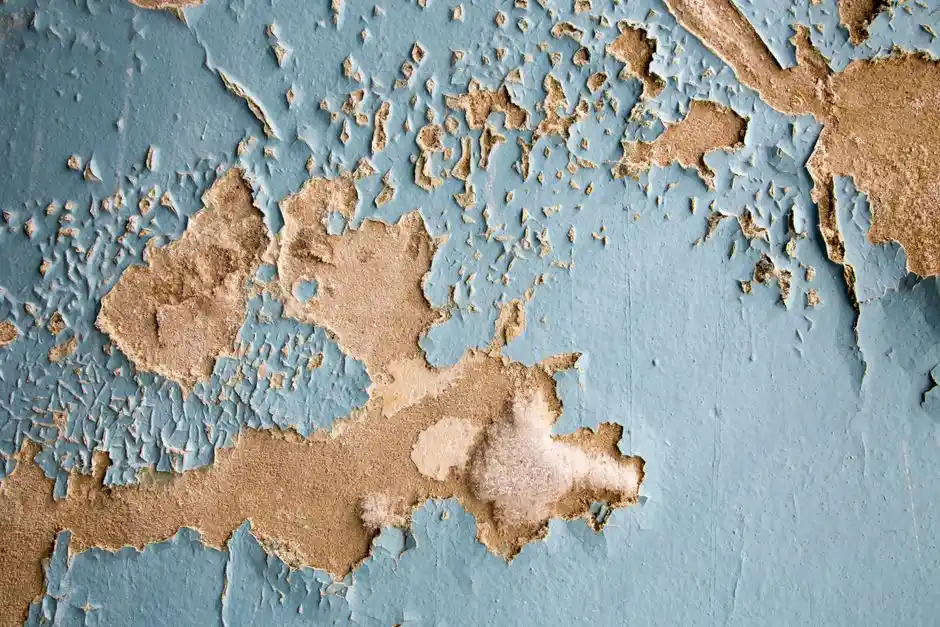
Storm damage gets worse by the hour. Water wicks into wall cavities, mold spores colonize within 24 to 48 hours, and a tarped roof can fail in the next wind gust. Here's what you get when you call us first.
Same-Day Emergency Response
We roll trucks 24/7 across Maryland, including holidays. Most storm damage calls in the Baltimore and DC metro get a crew on-site within 60 to 90 minutes. We tarp, board up, and start extraction before secondary damage sets in.
Insurance Documentation Done Right
Every job gets photo documentation, moisture readings, and an Xactimate-formatted scope of work your adjuster can process without back-and-forth. We've worked hundreds of storm damage repair Maryland claims and know what carriers want to see.
IICRC-Certified Drying Crews
Our technicians hold IICRC WRT and ASD certifications and follow ANSI/IICRC S500 standards on every job. That means calibrated moisture meters, daily drying logs, and a documented dry standard, not guesswork.
Full Rebuild Under One Roof
We don't hand you off to a separate contractor after the drying is done. Drywall, insulation, roofing, painting, and trim all get handled by our own crews. One point of contact from emergency call to final walkthrough.
Typical 2026 pricing for storm damage restoration in Maryland runs $2,500 to $12,000 for most residential jobs, with the average around $5,500. Small tarp-and-extract jobs can come in under $1,500, while major losses with structural rebuilds can exceed $25,000. We provide a written scope before work starts, bill most carriers directly, and never add charges mid-job without your approval.
Typical Investment Range
$1,500 - $25,000+ depending on scope
The price reflects licensed crews, commercial-grade equipment, IICRC-certified drying protocols, and a full rebuild under one roof. You're paying for a job that passes inspection and a claim that gets paid, not a patch job that fails in the next storm.
What changes the price
Size of Affected Area
A single room with minor water intrusion costs far less than a whole-floor flood. Square footage drives equipment count, drying time, and material replacement costs.
Water Category & Class
Clean water from a roof leak is Category 1. Sewage backup or storm surge is Category 3 and requires full PPE, containment, and disposal. Category 3 jobs cost 40 to 60% more.
Structural Damage Extent
If the storm only soaked drywall, the repair is straightforward. If it compromised framing, roofing, or the foundation, the rebuild scope grows and so does the price.
Mold Presence
If mold has already colonized, we add containment, HEPA filtration, and antimicrobial treatment. That typically adds $1,500 to $4,000 depending on the affected area.
Insurance Coverage
Most homeowner policies cover sudden storm damage. Your out-of-pocket cost is usually your deductible. Flood damage from rising water requires a separate NFIP or private flood policy.
Access & Logistics
Crawl spaces, finished basements with limited access, and homes on steep lots take longer to dry and cost more in labor. We factor this into the scope upfront.
Google ★★★★★4.9
Called at 6 a.m. after a storm took out our roof. Crew was here by 7:30, tarped everything, and had drying equipment running by noon. They handled the insurance paperwork and rebuilt the ceiling in a week. Fair price, no surprises.
Yelp ★★★★★4.8
Our basement flooded during a nor'easter and they pumped it out the same night. The tech explained every step and showed us the moisture readings each day. Rebuild was clean and on schedule. Would call them again without hesitation.
BBB ★★★★★4.9
Professional from the first phone call. They documented everything for our claim, worked directly with the adjuster, and finished the repairs ahead of schedule. The new drywall and paint look better than before the storm.
Google ★★★★★5.0
A tree came through our roof during a summer storm and they were on-site within an hour. Tarped, dried, and rebuilt the whole section. They even replaced the insulation in the attic. Honest crew, fair pricing, and they cleaned up every day.
Our crews cover storm damage restoration across Maryland, from the Baltimore metro through Anne Arundel, Howard, Prince George's, and Cecil counties. Whether you're inland dealing with wind damage or on the water facing storm surge, we have equipment staged and crews ready. Here are some of the communities we serve most often.
We handle storm damage restoration in Columbia for planned-community homes with engineered lumber, adjusting drying settings to protect the framing while we extract and dry.
Storm drain backups and wind damage are common in Hanover. We respond fast with extraction equipment and tarping crews for homes and commercial properties near BWI.
Essex sees its share of frozen pipe bursts and storm-driven roof leaks. We handle emergency board-up, water extraction, and full rebuilds for homeowners here.
Waterfront Pasadena properties face storm surge and tidal flooding. We specialize in crawl space water removal, structural drying, and vapor barrier installation for these homes.
Crofton's mix of older and newer homes means we tailor our drying approach to each structure. We handle storm damage repair, from tarping to full interior rebuilds.
Suitland homeowners call us for storm damage restoration after summer thunderstorms and winter ice events. We extract, dry, and rebuild with direct insurance billing.
Takoma Park's older housing stock requires EPA Lead-Safe practices on every job. We handle storm damage restoration here with full containment and certified crews.
Brandywine's rural properties and larger lots mean longer response distances, but we still get crews on-site fast. We handle wind, hail, and flood damage restoration here.
Temple Hills sees basement flooding and roof damage from severe storms. We pump out water, dry the structure, and rebuild, working directly with your insurance carrier.
Brinklow's wooded lots mean fallen trees and roof damage after summer storms. We tarp, extract, and rebuild, keeping the job documented for your claim.
Perry Point's waterfront location near the Susquehanna makes it vulnerable to storm surge and ice damage. We handle crawl space water removal and full structural drying here.
Rising Sun properties deal with winter freeze events and summer storm damage. We respond 24/7 for frozen pipe bursts, roof leaks, and basement flooding.
Galesville's Chesapeake Bay waterfront homes face storm surge flooding. We specialize in crawl space and first-floor water removal, drying, and mold prevention.
Pomfret's rural Charles County properties get hit by severe thunderstorms and wind events. We handle tarping, extraction, and full storm damage restoration.
Benedict sits right on the Patuxent River, so storm surge is a real threat. We handle water extraction, structural drying, and rebuilds for these waterfront homes.
Real answers to the questions we hear most often from local homeowners and property managers.
Storm intrusion almost always brings water damage with it. We extract, dry, and restore walls, floors, and ceilings soaked by rain, storm surge, or burst pipes, following ANSI/IICRC S500 standards on every job.
View Water Damage RestorationStanding water in a basement or crawl space needs to come out fast. We use submersible pumps and wet/dry vacuums to remove hundreds of gallons per hour, then start drying before mold has a chance to colonize.
View Water ExtractionWhen a storm drops 4 inches of rain in two hours, every minute counts. Our 24/7 crews pull water out of flooded homes across Maryland, usually arriving within 60 to 90 minutes of your call.
View Emergency Water RemovalFloodwater carries silt, sewage, and contaminants. We handle the full cleanup: extraction, debris removal, antimicrobial treatment, and disposal that meets Maryland Department of the Environment regulations.
View Flood CleanupMaryland basements flood from sump pump failure, foundation seepage, and storm surge. We pump them out, dry the concrete and framing, and check your sump pump and vapor barrier before we leave.
View Basement Water RemovalCrawl space water intrusion is easy to miss and expensive to ignore. We extract standing water, dry the joists and subfloor, and install vapor barriers to keep the space dry through the next storm season.
View Crawl Space Water RemovalCall (855) 713-4896 any time, day or night. A live dispatcher answers, takes your address, and sends the nearest crew. For non-emergency questions, email info@waterdamageprosmaryland.com and we will get back to you the same business day. If water is actively rising, call first.
Phone
(855) 713-4896Address
Maryland
Hours
Mon–Fri: 7AM – 7PM
Sat: 8AM – 4PM
Sun: Emergency Only
24/7 Emergency Available