
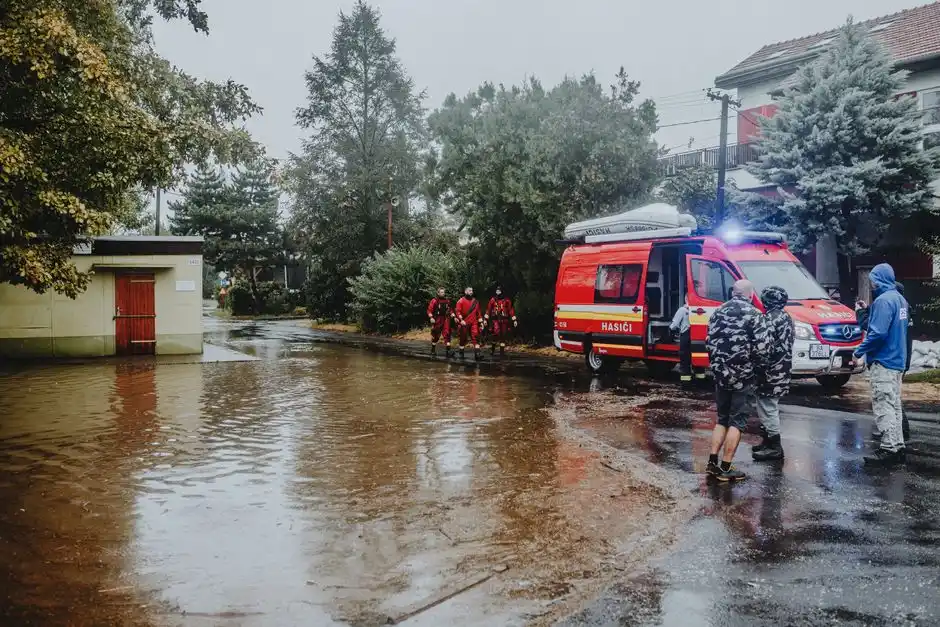
24/7 Emergency Dispatch
Live answering around the clock, including weekends and holidays. You get an arrival window on the call and a text when the crew is en route.
Every emergency call includes the full pump-out, drying setup, and documentation. Repairs like drywall, paint, and flooring are quoted after the structure is dry, so you are not paying for rebuild work the drying might make unnecessary.
Live answering around the clock, including weekends and holidays. You get an arrival window on the call and a text when the crew is en route.
Thermal imaging camera and moisture meter readings across every affected room, including behind baseboards and under cabinets, so we find the true edge of the water.
Submersible pump for standing water, then wet/dry vacuums and truck-mounted extraction for carpet, pad, and subfloor. Includes removal of unsalvageable materials.
Commercial dehumidifiers, air movers, and air scrubbers placed to dry the structure, with daily hygrometer readings logged until the space hits dry standard.
EPA-registered antimicrobial solution applied to affected framing and surfaces to stop mold growth while the structure dries.
Photos, moisture logs, and a Xactimate scope sent to your adjuster, with copies for your records. We work directly with most major carriers.
Emergency Water Removal in Maryland is the urgent pumping, extraction, and structural drying of a home or business after a burst pipe, sump pump failure, sewage backup, or storm-driven flooding. It is not a shop vac job. We start with a moisture meter and thermal imaging camera to map how far the water traveled under tile, behind drywall, and into the subfloor, then pull standing water with a submersible pump before switching to truck-mounted and portable extraction units.
Maryland homes give water plenty of places to hide. Finished basements in Randallstown and Wheaton, older crawl spaces in Riverdale Park, and slab-on-grade additions all trap moisture where you cannot see it. Left alone, that water wicks into insulation and lumber within 24 to 48 hours and starts feeding hidden mold growth. That is why we treat every call as a clock, not a calendar item, and why our crews carry desiccant dehumidifiers and air scrubbers on the first truck.
Every job follows the same five steps, whether it is a burst pipe in Colesville or a storm surge flooding a Cobb Island crawl space. Here is exactly what happens after you call (855) 713-4896.
Schedule
Call or book online — a real human picks up and confirms a 2-hour arrival window.
Diagnose
Licensed tech inspects on-site, then walks you through the cause and your options.
Fix
The job is completed to code and done right the first time — no shortcuts, no surprises.
Guarantee
Every job backed by a written workmanship warranty — and we stand behind it.
Thermal Imaging Camera
Finds water hidden behind drywall, under tile, and inside wall cavities by reading temperature differences. It tells us where to cut and where to place equipment.
Moisture Meter and Hygrometer
Measures moisture content in framing, drywall, and concrete, and tracks relative humidity in the air. Daily readings tell us when the structure is actually dry.
Submersible Pump
Pulls standing water out of basements and crawl spaces fast, moving hundreds of gallons an hour before we switch to extraction for the shallow water.
Dri-Eaz and Phoenix Dehumidifiers
Commercial LGR and desiccant units that pull moisture out of the air and dense materials like concrete and hardwood, where a box fan cannot reach.
Fantech and Abatement Technologies Air Scrubbers
Run with HEPA filtration and negative air machines to capture mold spores, dust, and odors during drying and any remediation work.
DeWalt and Milwaukee Inspection Cameras
Let us look inside wall cavities and under subfloors without tearing out more material than necessary, so repairs stay smaller.
ANSI/IICRC S500 Standard
The industry standard for water damage restoration. It sets the drying goals, equipment ratios, and documentation requirements we follow on every job, so the work is verifiable and defensible to your insurer.
Xactimate Scoping
We build the claim scope in the same estimating platform most carriers use. That means line items match what your adjuster expects, which speeds up approval and reduces back-and-forth.
Containment and Negative Air
On sewage backups and mold jobs, we seal the work area with polyethylene sheeting and run negative air machines so contaminants do not spread to the rest of the house.
Daily Drying Documentation
We log moisture readings and equipment placement every day and adjust as the structure dries. You get the full log at the end, which doubles as proof the job was done right.
01
What we do: We shut off the supply, cut an access panel, extract the water, and set drying equipment in the wall cavity and the room below. The drywall repair is quoted after the framing reads dry.
→ The framing dries in four days, the wall is rebuilt, and the homeowner avoids a full bathroom remodel.
02
What we do: We pump the standing water, extract the carpet, and run dehumidifiers and air movers for four days. We also check the sump pump and recommend a battery backup.
→ The basement is dry and usable again within a week, and the next storm does not flood it.
03
What we do: We contain the area, remove the contaminated flooring and baseboards, disinfect with EPA-registered products, and dry the concrete and framing.
→ The room is safe and dry in three days, and the air quality test comes back clean.
04
What we do: We pump the crawl space, dry the joists and subfloor, and repair the vapor barrier. We also insulate the pipe run so it does not freeze again.
→ The floor above stays level, the mold risk is gone, and the pipe is protected for next winter.
Maryland water damage follows the seasons. November through March, frozen pipe bursts and ice-dam roof leaks drive most of our calls, especially in older homes in Wheaton and Riverdale Park where pipes run through unheated crawl spaces. April through September, it is storm-driven basement flooding and sump pump failures, with the heaviest volume in low-lying areas near the Patuxent and Potomac. Building stock matters too: Baltimore rowhouses and pre-1978 homes need EPA Lead-Safe Certified handling before we cut into painted surfaces, while newer construction in Marriottsville and Clarksville often has sealed crawl spaces that trap moisture differently. We follow Maryland Department of the Environment rules for water disposal and antimicrobial use, and we are licensed through the Maryland Home Improvement Commission. If you need 24 hour emergency water extraction in Maryland, we route the nearest crew and give you a real arrival window.
Curtis Bay
Older industrial-adjacent housing with aging supply lines. Burst pipes and basement seepage are common, and we check for lead paint before cutting.
Fort Washington
Riverside properties near the Potomac see foundation seepage after heavy rain. We check the sump pump and discharge line on every call.
Wheaton
Mid-century homes with original galvanized plumbing. We see pinhole leaks and slow drips that have been soaking framing for weeks.
Davidsonville
Larger lots with crawl-space construction. Ground water intrusion after storms is the most common call, and vapor barrier condition matters.
Winter freeze-thaw cycles
Pipes in unheated crawl spaces and exterior walls freeze, then burst when they thaw. We see a spike in calls after the first hard freeze each year.
Summer storm surges and heavy rain
Basements and crawl spaces flood when the ground cannot absorb fast enough. Sump pumps run constantly and fail under the load.
High water table near rivers and the Bay
Properties near the Patuxent, Potomac, and Chesapeake see foundation seepage even without a storm. Vapor barrier and drainage matter more here.
Older housing stock with lead paint
Pre-1978 homes require EPA Lead-Safe Certified work practices before we cut into painted drywall or trim, which we plan for on the first visit.
Most calls fall into a handful of patterns. Recognizing yours early is what keeps a wet floor from becoming a rebuild. Here is what we see most and how we handle it.
Problem
Water runs behind walls and under floors for hours before you notice, soaking insulation and framing and setting up mold growth within two days.
Our Fix
We shut off the source, extract the water, and open the wall cavity to dry the framing. Thermal imaging finds the hidden wet zones so nothing gets missed.
Problem
A finished basement can take on several inches in under an hour, ruining carpet, drywall, and anything stored on the floor.
Our Fix
We pump out the standing water, extract the carpet and pad, and dry the concrete and framing. We also check the sump pit and discharge line before we leave.
Problem
Category 3 water carries bacteria and pathogens. Mopping it spreads contamination, and the smell lingers for weeks if it is not treated properly.
Our Fix
We contain the area, remove contaminated materials, disinfect with EPA-registered products, and dry the structure under IICRC protocols.
Problem
Standing water under the house rots joists, warps flooring above, and feeds mold that circulates into living spaces through the HVAC system.
Our Fix
We pump the crawl space, dry the joists and subfloor, and install or repair vapor barrier to keep ground moisture out going forward.
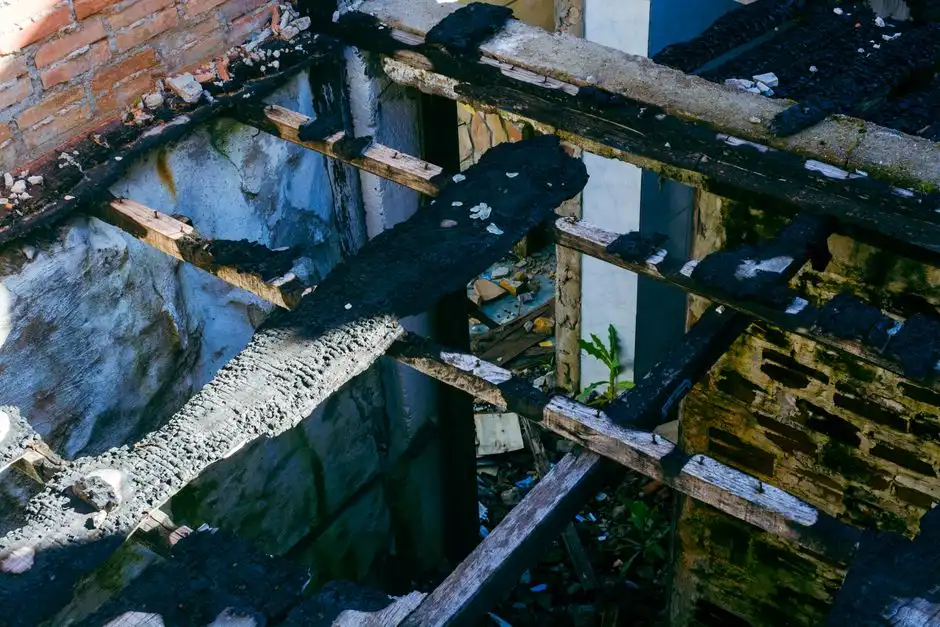
Water damage gets worse by the hour, and the difference between a two-day dry-out and a full rebuild usually comes down to who you call first. Here is what our Maryland emergency water removal service delivers.
Faster Response, Less Damage
Our 24/7 emergency water removal Maryland dispatch answers live, not with a voicemail box. Crews stage across the Baltimore and Washington corridors, so most calls get a technician on site the same day, often within a couple of hours. Every hour water sits, drywall wicks higher and the repair bill climbs.
Insurance Documentation Done Right
We photograph affected materials, log moisture readings room by room, and build the scope in Xactimate, the same estimating platform most carriers use. That means fewer back-and-forth emails and a claim file your adjuster can actually process. You get copies of everything we send.
Drying That Passes Inspection
We follow the ANSI/IICRC S500 standard for water-damaged buildings, which sets the drying goals, equipment ratios, and daily documentation. Commercial dehumidifiers, air movers, and hygrometer readings each day tell us exactly when the structure is dry, so we do not pull equipment early or leave it running a day longer than needed.
One Crew From Pump-Out to Repair
Extraction, drying, antimicrobial treatment, and the drywall or flooring repairs afterward all come from the same licensed, insured team. No handoffs, no waiting on a second contractor to show up. That is what affordable emergency water removal in Maryland should look like.
Typical 2026 pricing in Maryland runs $500 to $1,200 for a single-room extraction and dry-out, and $1,500 to $4,500 for a full finished basement. Crawl spaces and sewage backups run higher because of containment, disinfection, and longer drying times. We quote the price before we start, and it does not change because the job took an extra day. Most homeowners pay only their insurance deductible, and we bill carriers directly.
Typical Investment Range
$500 - $4,500 depending on scope
The price reflects the equipment, certified labor, and documentation that get your home dry and your claim approved. Cutting corners on drying usually means paying for mold remediation and a rebuild later, which costs far more than doing it right the first time.
What changes the price
Water category and contamination
Clean water from a supply line is the simplest job. Gray water from a washing machine or dishwasher needs more care. Sewage backups are Category 3 and require containment, removal of contaminated materials, and disinfection, which adds cost.
Square footage affected
A single room is a smaller job than a full basement. Extraction time, equipment count, and drying days all scale with the area, so square footage is the biggest driver of the final price.
Materials involved
Carpet and pad come out and get replaced. Hardwood may be salvageable with specialty drying. Concrete and tile dry slower and need more equipment. The material mix decides how long the job runs.
Drying time required
Most dry-outs run three to five days. Dense materials like concrete, hardwood, and plaster can push it to seven. We monitor daily and pull equipment as soon as the structure hits dry standard.
Access and containment needs
Crawl spaces, tight basements, and upper floors slow the work. Sewage and mold jobs need polyethylene containment and negative air machines, which adds setup time and equipment.
Google ★★★★★4.9
Called at 1 a.m. after a pipe burst in our ceiling. A technician was at the door in under two hours with pumps and dehumidifiers. They dried the ceiling and walls for four days and handled the insurance paperwork. Professional from start to finish.
Yelp ★★★★★4.8
Our crawl space flooded after a storm and three other companies would not even come out. These guys pumped it, dried the joists, and replaced the vapor barrier. Fair price and they explained everything they were doing.
BBB ★★★★★4.9
Sewage backup in our basement on a holiday weekend. They contained the area, removed the ruined flooring, and disinfected everything. The air quality test came back clean and the insurance claim went through without a hitch.
Our technicians hold IICRC WRT and IICRC ASD certifications, and we work to the ANSI/IICRC S500 standard on every water job. We are licensed through the Maryland Home Improvement Commission and follow Maryland Department of the Environment regulations for water disposal and antimicrobial use. That matters in a state where one job might be a 1920s Baltimore rowhouse with knob-and-tube wiring and the next is a new-build in Marriottsville with a sealed crawl space. We have pumped out flooded basements after summer storms, thawed frozen pipe bursts in January, and cleaned up sewage backups in Riverdale Park and Brentwood. You get a crew that has seen your exact problem before.
Our Maryland emergency water removal crews cover the whole state, from the Baltimore beltway to Southern Maryland and the Eastern Shore. Each city below gets the same 24/7 dispatch, the same certified technicians, and the same documented dry-out. Call (855) 713-4896 and we will route the nearest truck.
Older housing near the waterfront means aging pipes and basement seepage. We handle burst pipes and foundation leaks with lead-safe practices on pre-1978 homes.
Suburban homes with finished basements and sump pumps. Storm-season pump failures are our most common call here, and we check the discharge line before we leave.
Mid-century homes with original plumbing. We see pinhole leaks and slow drips that have been soaking framing for weeks, so thermal imaging is standard on every call.
Finished basements and older supply lines. We pump, extract, and dry the framing, then rebuild the drywall and flooring so you deal with one crew.
Newer construction with sealed crawl spaces that trap moisture. We pump, dry the joists, and check the vapor barrier and insulation condition.
Riverside properties near the Potomac see foundation seepage after heavy rain. We pump the basement, dry the concrete, and check the sump pump and drainage.
A mix of older and newer homes with a high water table in spots. We handle burst pipes, appliance leaks, and storm-driven basement flooding.
Ranch and split-level homes with pipes in exterior walls. Winter freeze-thaw bursts are common, and we repair the pipe and dry the wall cavity in one visit.
Suburban homes with basements and crawl spaces. We respond to sump pump failures, water heater leaks, and storm flooding with same-day dispatch.
Older housing stock with lead paint concerns. We are EPA Lead-Safe Certified, so we can cut into painted surfaces safely during extraction and drying.
Large-lot properties with crawl-space construction. Ground water intrusion after storms is the top call, and vapor barrier condition drives the drying plan.
Dense residential blocks with older plumbing. Sewage backups and supply line failures are common, and we handle Category 3 cleanup to IICRC standards.
Rural Southern Maryland properties with crawl spaces and wells. We pump, dry, and disinfect, and we check for mold growth in the joists before we close up.
Waterfront homes exposed to storm surge and tidal flooding. We pump out fast, dry the structure, and treat for mold after any saltwater intrusion.
Rural homes with crawl spaces and older construction. We handle storm flooding, burst pipes, and well-system leaks with the same 24/7 response.
Real answers to the questions we hear most often from local homeowners and property managers.
Once the water is out, restoration rebuilds what it ruined: drywall, trim, paint, and flooring. We handle the full repair so you are not juggling a dry-out crew and a separate contractor.
View Water Damage RestorationThe pump-and-vacuum phase that pulls standing water out of carpet, pad, and subfloor. It is the first step of every emergency call and the one that stops the damage from spreading.
View Water ExtractionStorm-driven flooding brings mud, debris, and contaminated water. We pump it out, bag the debris, and disinfect surfaces so your home is safe to live in again.
View Flood CleanupFinished basements in Randallstown and Columbia trap water behind drywall and under carpet. We extract it, dry the framing, and check the sump pump before we leave.
View Basement Water RemovalCrawl spaces in Davidsonville and Hughesville hold moisture that rots joists and feeds mold. We pump, dry, and install vapor barrier where it is missing.
View Crawl Space Water RemovalA sewage backup is a Category 3 hazard, not a mop job. We contain the area, remove contaminated materials, and disinfect to IICRC standards before drying.
View Sewage Backup CleanupCall (855) 713-4896 any time, day or night. A live dispatcher answers, takes your address, and sends the nearest crew. For non-emergency questions, email info@waterdamageprosmaryland.com and we will get back to you the same business day. If water is actively rising, call first.
Phone
(855) 713-4896Address
Maryland
Hours
Mon–Fri: 7AM – 7PM
Sat: 8AM – 4PM
Sun: Emergency Only
24/7 Emergency Available