
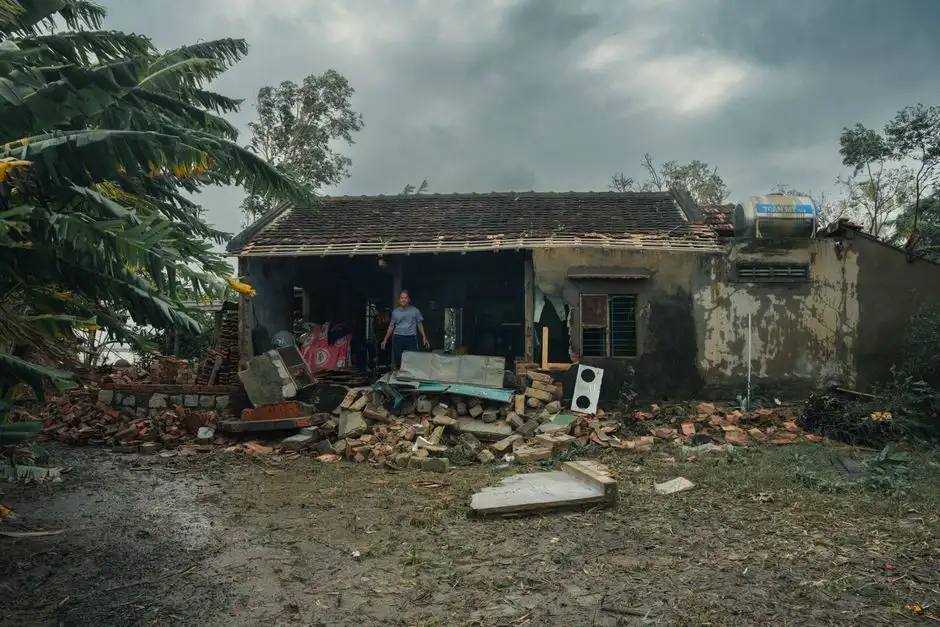
After storm damage in Baltimore, your first move is to make sure everyone is safe, then stop any water from spreading, then document everything before you touch it. Call your insurance company and a storm damage restoration crew the same day - mold can start growing on wet drywall and insulation within 24 to 48 hours, and that window closes fast. This guide walks you through the exact order of steps, what Baltimore storm damage restoration actually costs in 2026, and how to keep your insurance claim from getting denied.
Storm damage restoration in Baltimore is the process of removing storm-driven water, drying the structure, and repairing the roof, siding, windows, and interior damage that a storm leaves behind. It is not the same as a general contractor's punch list - it starts with emergency water removal and ends with a dry, documented, rebuild-ready home. We handle that whole sequence for homeowners across the city, and we wrote this so you know what to do before we arrive.
What Should You Do First After Storm Damage in Baltimore?
Your first action after storm damage in Baltimore is to get people and pets out of any room with standing water, sagging ceilings, or exposed wiring, and only then start dealing with the water itself. Do not walk into a flooded basement if you can hear the sump pump running or smell burning - that combination means the water may be contacting live electrical components.
Once everyone is safe, the order is: shut off power to flooded areas at the breaker, shut off the main water line if a pipe broke, photograph everything, then call for help. That sequence matters because insurance adjusters want photos of the damage as it happened, not after you have moved furniture and pulled up carpet.
Here is the short version of the first hour:
- Get everyone out of flooded or structurally questionable rooms.
- Kill power to wet areas at the breaker panel - never stand in water to do it.
- Photograph and video every damaged room, ceiling stain, and wet item before moving anything.
- Call your insurer to open a claim and get a claim number.
- Call a 24/7 storm damage cleanup crew in Baltimore to start water removal.
If your home has a basement that floods every time we get a heavy summer storm, the water you are looking at is often not the whole problem. We see this constantly in Water Damage in Baltimore - a storm pushes water through a window well or a failed sump, and by the time the homeowner notices, it has already wicked up the bottom two feet of drywall.
Step-by-Step: The First 24 Hours After a Baltimore Storm
The first 24 hours after a Baltimore storm decide how expensive your repair gets. Water that sits for a day turns into water that sits for a week once it soaks into subfloor, joists, and insulation, and that is when mold remediation becomes part of the job instead of just drying.
Hour 1-2: Safety and documentation
Shut off utilities, photograph everything, and make a written list of damaged items room by room. Include the make and model of anything expensive - appliances, electronics, HVAC equipment. Adjusters process claims faster when the inventory is specific.
Hour 2-6: Stop the water source
If the storm tore off flashing or punched a hole in the roof, water is still coming in every time it rains. Emergency tarping and board-up stop that. If a sump pump failed, we bring in truck-mounted extraction units that pull 20 to 30 gallons per minute - a shop vac moves about 5.
Hour 6-24: Extract and start drying
Standing water gets extracted first, then we set air movers and dehumidifiers. Structural drying in Maryland typically runs 3 to 5 days for a single flooded room and 5 to 10 days for a finished basement. We monitor moisture readings daily and do not pull equipment until the readings match a dry standard.
If your crawl space took on water, that is a separate and slower job - Crawl Space Water Removal in Maryland takes longer because there is no airflow down there and vapor barriers trap moisture against the joists.
Why Storm Damage in Baltimore Almost Always Means Water Damage
Baltimore storms rarely damage a roof without also pushing water into the house. A 60 mph wind gust lifts shingles, the next band of rain drives sideways under them, and water shows up as a ceiling stain two rooms away from the actual breach.
Three patterns we see over and over in this city:
- Rowhouse party-wall leaks. In older Baltimore rowhomes, storm water gets behind shared masonry and shows up as damp plaster on an interior wall that has no exterior exposure at all.
- Basement backups after heavy rain. When the city storm sewer surcharges, water reverses through floor drains and laundry standpipes. That water is classified as Category 3 - contaminated - and needs more than a fan.
- Window and door infiltration. Driving rain forces past aging weatherstripping and saturates the framing around openings.
That is why we treat almost every storm call as a water removal job first. Our crews run Water Extraction in Maryland equipment before anyone picks up a hammer, because repairing drywall over a wet cavity just hides the problem until the drywall fails again.
How Much Does Storm Damage Restoration Cost in Baltimore, Maryland?
Typical 2026 pricing for storm damage restoration in Baltimore runs $1,800 to $6,500 for most residential jobs, with severe cases involving structural repair or sewage contamination reaching $12,000 or more. The range is wide because the cost is driven by how much water got in and how long it sat, not by the storm itself.
Here is how the numbers break down for a typical Baltimore home:
- Emergency water extraction: $500-$1,500 for a flooded basement or first floor.
- Structural drying (equipment + monitoring): $1,200-$3,000 for 3 to 5 days.
- Roof tarping or board-up: $400-$1,200 depending on roof pitch and square footage.
- Mold remediation if drying was delayed past 48 hours: $1,500-$6,000.
- Drywall, flooring, and trim rebuild: $2,000-$8,000 for a finished basement.
Affordable storm damage restoration in Baltimore, MD usually means catching the water in the first day. A job that costs $2,400 on day one can hit $9,000 by day ten once mold is in the walls. If you are comparing quotes, ask what the price includes for drying monitoring - a cheap extraction quote with no drying plan is not a cheaper job, it is a smaller first invoice.
Does Insurance Cover Storm Damage Repair in Baltimore?
Yes - most homeowner policies in Maryland cover storm damage repair, including wind, hail, and the water that comes in through a storm-created opening. What they usually do not cover is long-term neglect, like a roof that was already leaking for months before the storm, or groundwater flooding that should have been handled by a separate flood policy.
The distinction that trips people up: water that enters through a hole the storm made is generally covered. Water that rises from the ground - a flooded street, an overflowing creek, a surging storm sewer - is generally not, unless you carry NFIP or private flood coverage. In Baltimore, both happen in the same storm, sometimes in the same house.
What we do to protect your claim:
- Document moisture readings and photograph damage before, during, and after extraction.
- Provide a line-item scope your adjuster can work from.
- Separate storm-driven water damage from pre-existing issues so nothing gets denied by default.
- Talk directly to your adjuster so you are not translating between two contractors.
We handle storm damage restoration with insurance help in Baltimore, MD on nearly every job we run, and the paperwork is usually the difference between a full payout and a partial one.
Common Mistakes Homeowners Make After a Storm
The most expensive mistake after a Baltimore storm is waiting to see if it dries on its own. It will not. Here is what we see homeowners do that costs them money:
- Running a box fan and calling it drying. A fan moves air; it does not remove moisture. Without a dehumidifier pulling water out of the air, you are just circulating it back into the walls.
- Throwing away wet items before photographing them. Your adjuster needs evidence. Photograph the ruined carpet, the soaked couch, the warped cabinet before it hits the curb.
- Hiring a roofer who does not handle water. A new roof over a wet attic leaves the mold problem untouched. Storm damage repair in Baltimore needs to address the water first.
- Waiting for the insurance adjuster before starting emergency work. Most policies require you to mitigate further damage. Waiting three days for an adjuster while water sits can get part of your claim denied.
- Ignoring the crawl space. Water under the house does not dry on its own and rots floor joists from below.
One more: do not sign anything from a door-knocking contractor who shows up the day after a storm and asks for a deposit before any work is scoped. Legitimate storm damage companies in Baltimore inspect first and put pricing in writing before they start.
When to Call a Professional
Call a professional the moment water has been standing for more than a few hours, or the moment it has touched drywall, insulation, or a subfloor. Those materials do not dry in place - they hold moisture against framing and start growing mold in 24 to 48 hours.
You also want a crew on site if any of these are true:
- Water came up through a floor drain or toilet - that is sewage, not clean water.
- The ceiling is sagging or the drywall is soft to the touch.
- You can smell that musty, wet-cardboard odor that means mold is already active.
- The storm opened the roof, broke a window, or damaged siding enough to let more rain in.
- Your basement has flooded more than once this year.
Water Damage Pros Maryland handles emergency storm damage restoration in Baltimore around the clock. We extract the water, dry the structure, document everything for your insurer, and rebuild what the storm took out - one crew, one point of contact, one invoice.
Frequently Asked Questions
What should I do first after storm damage in Baltimore?
Get everyone out of flooded or unsafe rooms, shut off power to wet areas at the breaker, and photograph all damage before moving anything. Then call your insurer and a 24/7 restoration crew the same day. Water sitting longer than 24 to 48 hours turns into a mold job.
Who do I call for storm damage restoration in Baltimore?
Call a licensed Maryland restoration company that handles both water removal and structural repair, not just a roofer or a general contractor. Water Damage Pros Maryland runs emergency crews across Baltimore and can start extraction the same day you call.
How much does storm damage restoration cost in Baltimore, Maryland?
Most residential jobs in 2026 run $1,800 to $6,500. Severe cases with structural damage or sewage contamination reach $12,000 or more. Extraction alone is $500-$1,500; drying equipment runs $1,200-$3,000 for 3 to 5 days.
Does insurance cover storm damage repair in Baltimore?
Yes, most policies cover wind, hail, and water that enters through a storm-created opening. Groundwater flooding from a surging storm sewer usually requires separate flood coverage. We document everything so your adjuster has what they need to approve the claim.
Is there 24/7 storm damage restoration in Baltimore, MD?
Yes. Water Damage Pros Maryland answers storm calls 24 hours a day, seven days a week, including nights and holidays. Storm damage does not wait for business hours, and neither does mold growth - so we do not either.
Get Help with Water Damage in Baltimore
Storm damage restoration in Baltimore is a race against moisture, and the crew that gets there first usually saves you thousands. We are available 24/7 for emergency storm damage repair in Baltimore, Maryland - extraction, drying, and rebuild under one roof.
Call Water Damage Pros Maryland at (855) 713-4896 and we will be on our way.